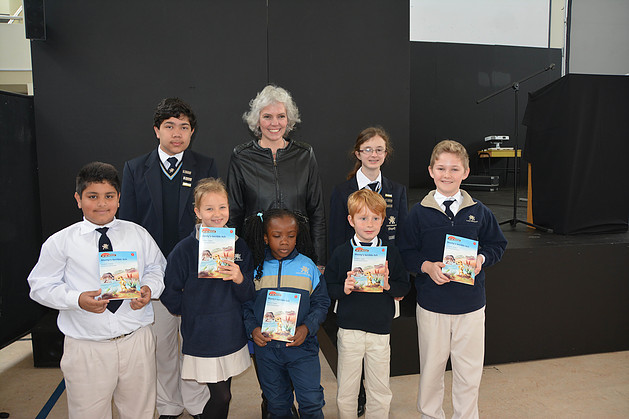
Louise’s top 10 tips for a successful presentation at a school assembly:
-
Always visit the school prior to the day of your presentation to check what facilities are available and to practise in the venue. Assembly halls can be either too light or too dark and your presentation slides may not be visible to the audience. In addition, audio equipment may be inferior or not available at all. Can you project your voice if there is no microphone? Will you be standing behind a podium or is the entire stage available for your use? What is your Plan B if something unexpected should happen on the day?
-
Request technical support, such as the Head Teacher for Information Technology, or whoever is usually responsible for liaising with external presenters. Always thank this person for their time and effort to resolve any issues you encounter.
-
Arrive early on the day of the presentation to ensure that all the facilities are as you expect them to be. Things often change, and you don’t want to be running around like a chicken without a head just before your big presentation.
-
Keep it simple. This is generally best in any situation but particularly important here. Even if it seems too simple to you, remember the level of your audience and also that what seems extremely basic to you will be useful and exciting to them.
-
Keep your presentation short and to the point! Very young children’s attention wanders very quickly, so don’t bore them with waffle.
-
Develop visual slides that are not text heavy. Talk around the visuals.
-
Interact with the children by making your talk relevant and personal to them. For example, I asked the children if they’d ever had an annoying itch that wouldn’t go away, just like Monty Meerkat had. Some of the little ones even starting scratching at the memory!
-
Make your presentation fun! I handed out book prizes at the end of my talk. The children knew that they had the possibility of winning something and they listened attentively to ensure they could answer the questions. This kept them engaged and they were so eager that they even raised their hands before the questions were asked.
-
By including interesting facts in your presentation, such as the number of times JK Rowling’s Harry Potter series was rejected by publishers, you’ll keep the older students engaged, as well as the teachers.
-
Respond to the children’s spontaneity, even if it deviates slightly from your prepared script. Being “in the moment” will allow you to have fun and enjoy yourself.
I hope you found these tips useful.