It can be quite daunting to write your first artbrief for a reader or picture book that you’ve written (assuming you’re not the illustrator, of course).
Truth is, it may feel more than a little uncomfortable having to tell a creative illustrator/artist how you want them to draw, see or interpret the words and action you’ve written. Well, that was certainly how I felt until I realised that that is not the point of an artbrief. An artbrief is there for the author to communicate his/her VISION of what their story looks like. Basically, what I’m referring to is that you can’t expect someone to share your vision for the finished artwork and book if you don’t communicate your ideas and expectations clearly.
So, it’s up to the author to write a good, clear and detailed description of the artwork they envision on each and every page of their story. One of my artbriefs was in fact so detailed that the relevant publisher said it was “the best artbrief they had ever seen for a reader.” And I must admit that it felt good to hear that, especially when I considered myself a real newbie!
Here are some guidelines I’d like to share with you:
1
Describe any characters in your book from the outset. How old are they? What are they wearing? How tall, short, big or small are they? Provide all the relevant details that you think are necessary to shape your characters so that the illustrator can relate to them. Do this for all the characters including animals. Is the elephant proud? Does the fish have LOTS of energy?
2
What is the setting for your book? Is it in the sea? What colour is the sea? Is it in the desert? Do some research about your chosen setting and describe the colours and effects you’d like in detail.
3
Remember that each page has a foreground a middle ground and background to the illustration. The author needs to detail each element for these three areas on each page. Try and include every last detail – for example, is there a ladybird hiding in the leaf on the right of the page? Is your character foregrounded in the centre of the page? Is there action in the middle ground and to the right or left? Is the background the surrounding landscape or is it the sky? Convey the mood of the background as relevant. For example, what time of day is it in this scene? Is it dawn? Is it midday? One of my stories was set in a single day from dawn till night and the sky conveyed the passage of time throughout the story.
4
Do you want a single page or a double page spread? (A DPS or double page spread is where the artwork is spread across two pages). It is a good idea to mix the two, remembering of course that your last page cannot be a DPS. This adds excitement to the reader and varies the look of your book. DPS’s are usually also cheaper to produce. If you choose only one or the other your book might be a bit boring.
5
Include links to photographic or picture examples you find on the Internet that are along the lines of what you had in mind. Illustrators think visually, and as a picture can paint a 1000 words, this is a sure-fire way to get your message across in a nutshell.
6
Match the artwork to the mood of the action on a given page. For example, is the fish about to get caught on the next page? If so, you can think of adding a bit of a shadowy feeling to the previous artwork to foreshadow the upcoming action.
7
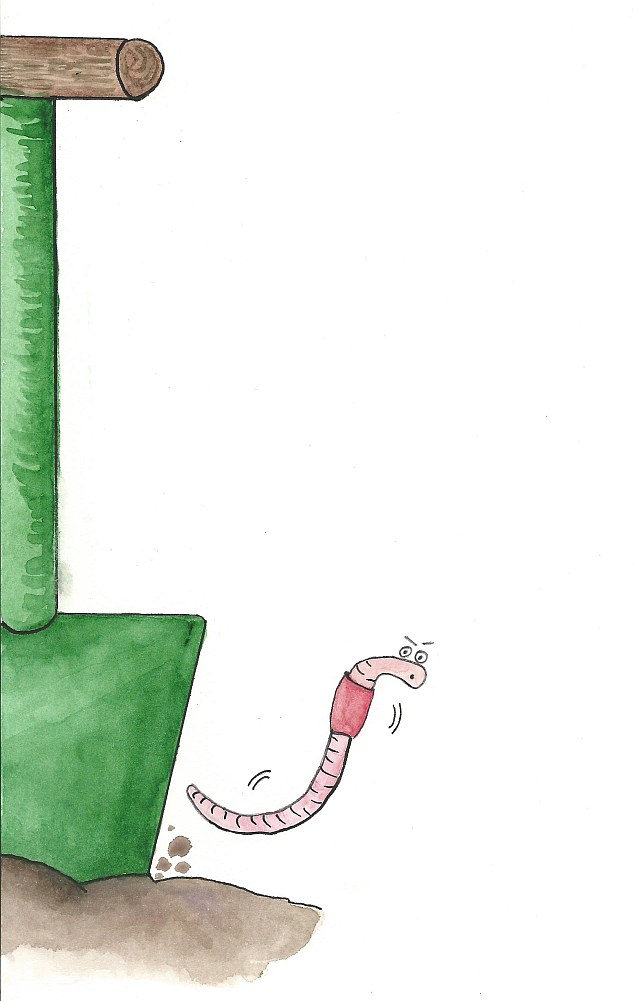
Action! Action! And more Action! I like my books to show as much movement and action as possible. Static characters with no life can be a real turn-off. Describe what your character is doing. How do you want the movement to be shown? Is your character jumping up high with glee and splashing into a puddle as she’s enjoying the rain? Young children are usually active little things themselves and they respond well to exciting visuals which include lots of action.
8
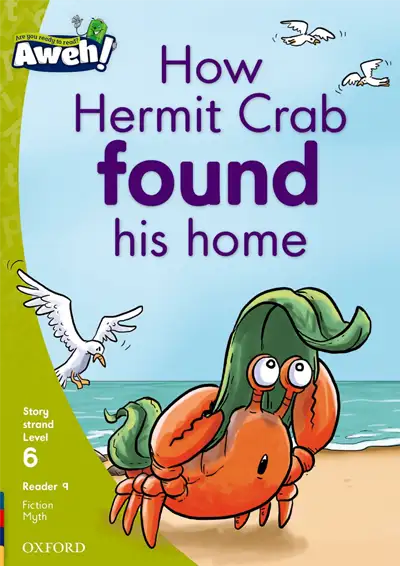
Show those feelings! Characters’ facial expressions are vital. What emotion is your character feeling on that page? Are their eyes bulging with shock? Have they withdrawn into their shell in fear? Are they all teeth because they are smiling so much? Don’t be scared to convey the emotion you want to see.
9
Remember that some publishers may print in full colour whereas others may use a limited palette in order to save costs. Bear this in mind when creating your artbrief.
10
Allow the illustrator’s creativity to shine! I’ve experienced instances where something was added or removed and it added a new element to the illustration. For example, maybe the illustrator included some old bones in your desert scene and it added a great sinister feeling. Go with this! It’s truly wonderful when you see the illustrator has really understood your requirements and has added their own natural flair.
11
Look at lots of other story books that are currently on the market. The aim here isn’t to copy but rather to understand what you like and for some of the great books to serve as inspiration. As with just about everything, children’s book illustrations have also changed over time and what appealed to the little ones 20 years ago may not work as well today. Keeping up with current trends is important.
12
Remember that the publisher usually chooses the illustrator. Unless you’re a well-established or exceptional illustrator yourself, it is mostly best to submit your story without artwork and if you’re fortunate enough to have it accepted, write the best artbrief that you possibly can!