Our oceans have the most fascinating creatures, including the biggest one of all – the whale. Plastic pollution like the bottles, plastic bags, and even the toys that we play with every day can end up in the sea.
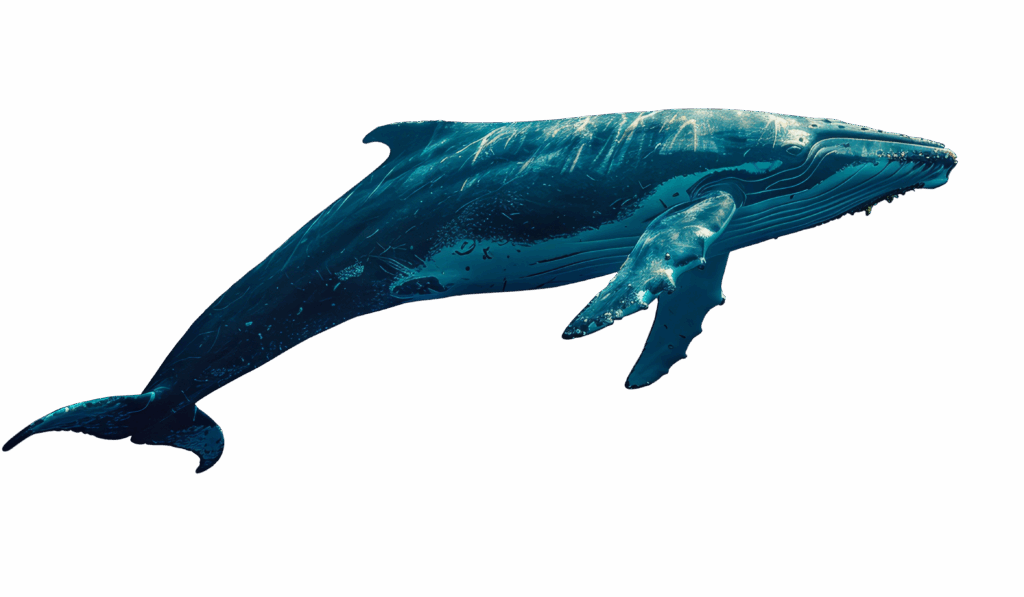
I bet you already know that eating plastic isn’t good for you. Well, it’s not good for whales either. Whales, like Wesley the humpback whale in this poem, don’t understand that this junk is not food and shouldn’t be eaten. Eating plastic rubbish can block their stomachs stopping them from eating anything else. When they’re unable to eat, they become sick and may even die.
Tiny bits of plastics cause big problems
Even though whales are so very very big, the tiny bits of plastic, called microplastics, that end up in our oceans also hurt them. Big animals like the humpback whale eat very small creatures like plankton and krill. Bits of plastic float around our oceans amongst this food source. These tiny plastic particles are swallowed by the whales and build up in their bodies over time harming their health. So, even though these bits of plastic seem so little, they are a big problem for sea creatures.
Plastic bags
Whales and other sea life shouldn’t have to live amongst so much rubbish. Some whale species like the sperm whale mistake plastic bags for squid. Squid is their favourite snack. One poor whale was found to have eaten 135 bits of rubbish, most of which were plastic bags. Sea turtles also mistake plastic bags for food, thinking that they are jellyfish. When you think about it, an upside down plastic bag floating in the sea does look a bit like a jellyfish. The poor sea turtles also get sick and can die from eating plastic. Eating plastic is yuck!
How you can help whales and other sea life
One of the best ways to stop cheap plastic waste ending up in the ocean is not to use it at all. So instead of using plastic bags to shop, use paper or canvas bags. Make sure that the straws and cups you drink out of are made of paper and not plastic.
Be aware of plastics that can be recycled and make sure you recycle every day.
Ask your parents how to volunteer to clean up a beach where you live.
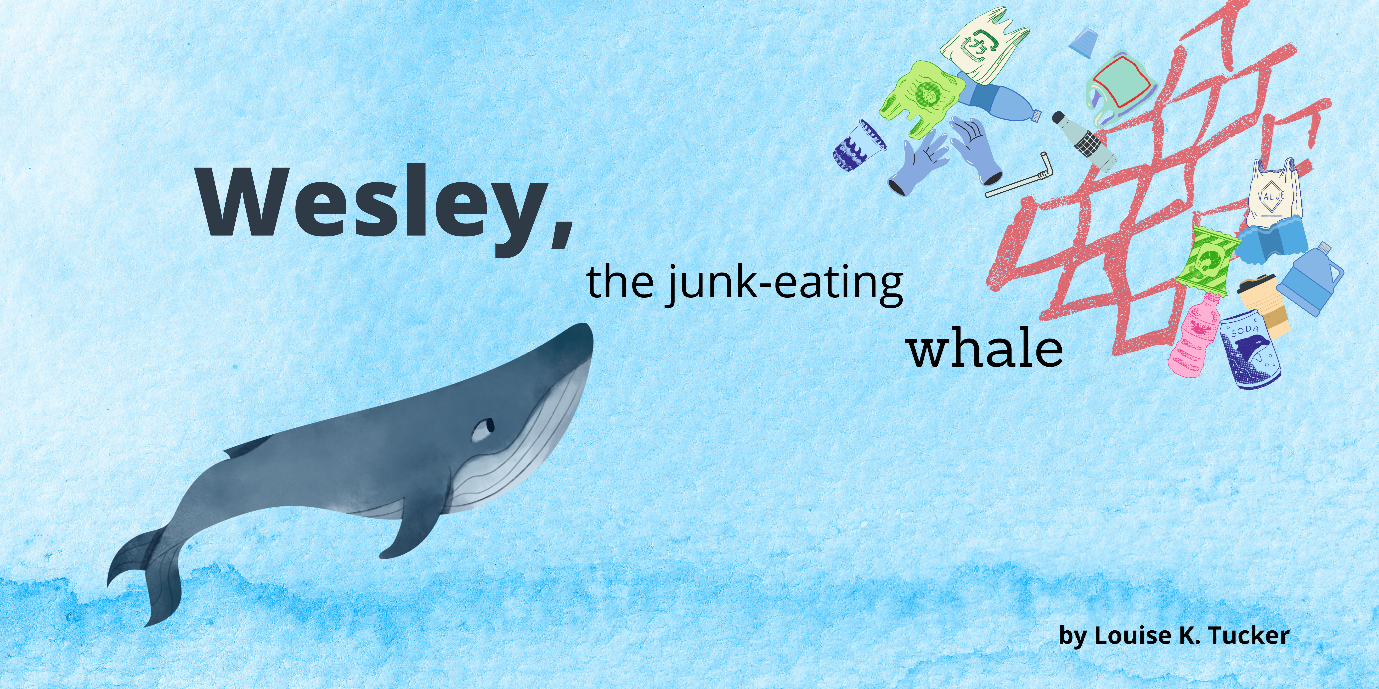
Wesley, the Junk-Eating Whale
by Louise K. Tucker

Young Wesley is a humpback whale,
But what he eats will make you pale.
'Cos Wesley likes to munch and crunch,
The very oddest type of lunch.

His favourite meal is made of plastic,
"Yum," he smiles. "It tastes fanTAStic!"
(Not everyone is enthusiastic)
Some knew things were getting drastic.

All his friends say, "Listen, Dude,
You really mustn't eat junk food!"
But Wesley doesn't seem to care.
In fact, he takes this as a dare.

"I wish they wouldn't fuss and fret,
Oh, look! Here comes a fishing net!
That looks the very thing to eat,
It's sure to be a tasty treat."

With Wesley's mouth open wide,
The fishing net just plops inside.
He eats it all in one big guzzle.
His eating habits are a puzzle.

Mum scolds gently, "Wesley, dear,"
Her tender voice full of fear,
"Eating junk is a mistake.
You're bound to get a stomachache."

By now I'm sure that you can guess,
Does Wesley listen? No, not Wes!
He sees a plastic cup float by...
"Now here's some junk I'd like to try."

"It looks so very light and yummy,
I need that treat inside my tummy."
As Wesley gulps the plastic down,
He doesn't see his father frown.

His father's voice is loud and gruff,
"That's it, Wes! I've had enough!
You really need to learn the thrill
Of eating plankton, fish, and krill."

"If you want a tasty lunch,
Fish is what you need to munch."
A school of fish comes swimming by.
"Come on, Wesley, will you try?"

But now young Wes is feeling ill,
He just ignores the fish and krill.
His mouth is down, his mood is glum.
"I wish I'd listened to my Mum."

He feels his insides start to quake.
"Oh dear, I've got that stomachache!"
Then there comes a giant rumble
(for whales' stomachs do not mumble).

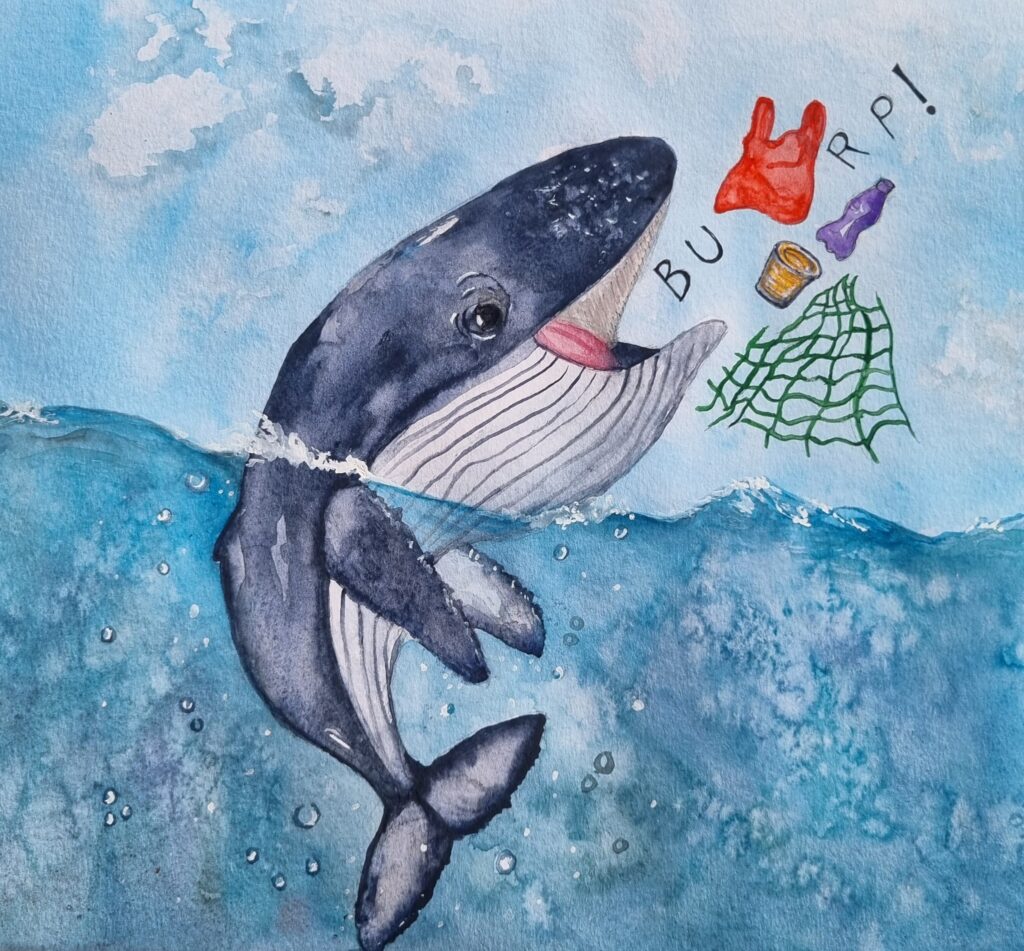
The loudest burp escapes his mouth
(some penguins hear it in the South!)
And all that junk that Wesley ate
Flies out at such a rapid rate...

The fishing net, the plastic cup,
Up they go, up and up!
Wesley Whale gets such a scare
As all the junk flies in the air.

"That's good, Wes," says his Dad.
"That's no food for a growing lad.
Plastic and junk make you ill.
Maybe now you'll try some krill?"

What Wesley learns is pretty drastic.
Never again will he eat plastic!
When Wesley starts to eat real food,
His friends all say: "That's better, Dude!"

And so concludes the happy tale
Of Wesley, the plankton, fish, and krill-eating whale.
If you enjoyed reading about Wesley Whale, ask your teacher to read the poem to your class.